
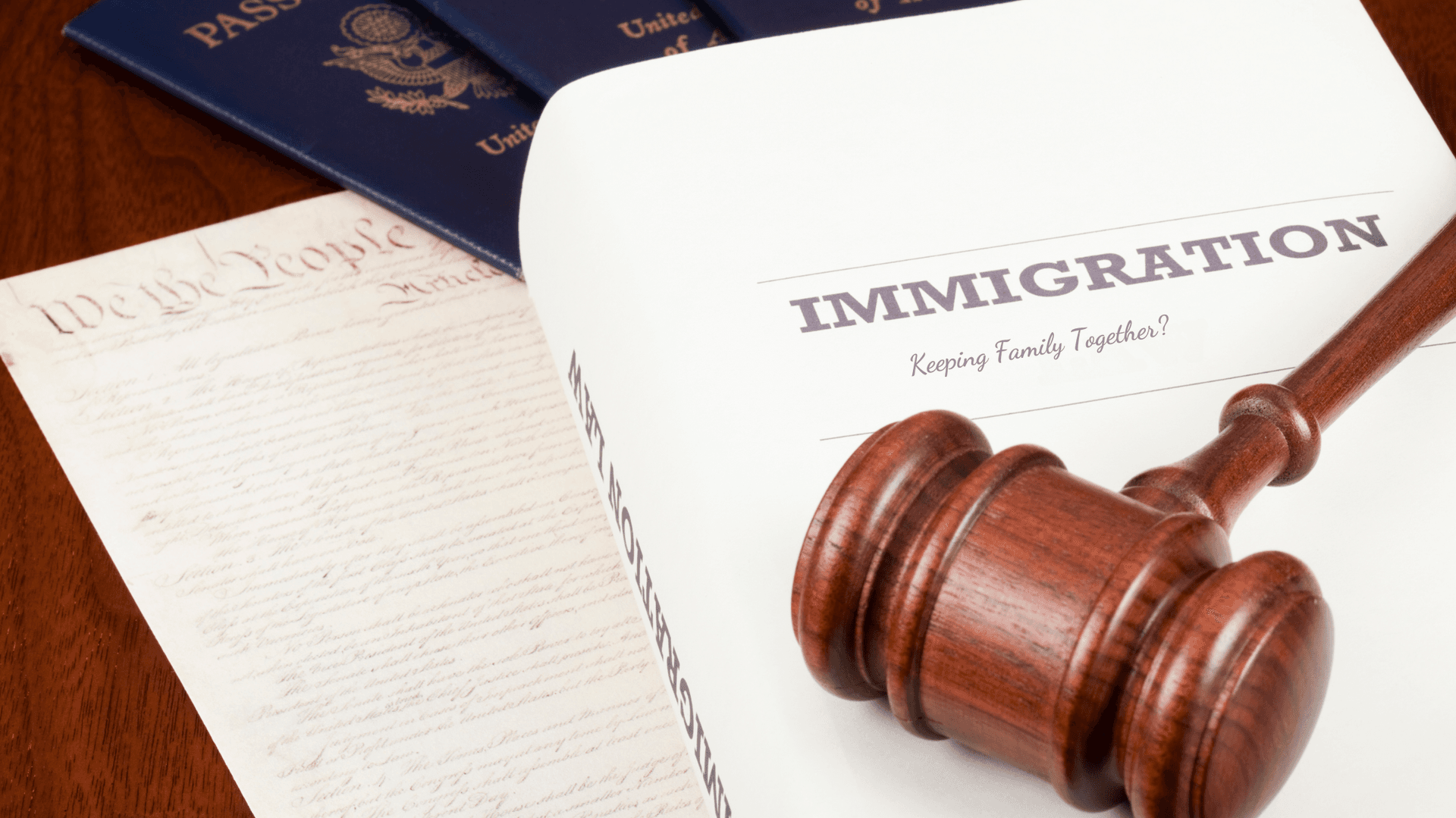
A recent decision (issued 11/07/2024), in which a federal judge in Texas ruled against the Biden administration's immigration program, sent shockwaves through the immigrant community. The program, known as "Keeping Families Together" (hereinafter, "KFT"), was designed to streamline the process by which undocumented immigrants married to U.S. citizens could obtain lawful status, and by which their stepchildren could more easily obtain legal status as well.
Under this program, spouses who had been continuously present in the United States for at least ten years as of June 17, 2024, and were legally married to a U.S. citizen by that date were provided with an expedited path to a green card and were eligible for a three-year work permit. The initiative was widely seen as a response to mounting pressure from immigrant rights groups, and had the potential to affect as many as 500,000 people. However, Judge J. Campbell Barker agreed with the arguments made by Texas and 15 other states, ruling against the program on the grounds that it could increase illegal immigration and place a burden on state resources.
Supporters of the program, such as Ashley DeAzevedo of American Families United, expressed disappointment that the ruling would affect hundreds of thousands of families who had contributed to their communities and built lives with their loved ones. Opponents, such as Missouri Attorney General Andrew Bailey, on the other hand, hailed the ruling as an important victory for the rule of law.
For those who had already applied under the "Keeping Families Together" (KFT) program, the ruling has created enormous uncertainty. Many applicants had already prepared their documents and were waiting for interviews, but now, with all proceedings halted, they have been left not knowing what to do. The abrupt suspension has left them anxious and frustrated, uncertain whether their cases will be processed or whether they will have to start over from the beginning if a new policy takes effect.
For those who were considering applying, the ruling has been a major setback. Many are now hesitant to apply, out of concern over the instability of immigration policy and the prospect of further legal challenges. The prospect of going through a long and complicated process for an uncertain outcome has discouraged many families from pursuing lawful status, leaving them in an unstable situation.
Mixed families have been particularly hard hit by this ruling. This includes many immigrants who are married to U.S. citizens but who entered the United States without proper documentation (i.e., without inspection). These so-called "mixed families" face unique challenges. The hope that the "Keeping Families Together" program could stabilize their legal status served as a beacon of hope for them. For these families, this ruling means far more than a mere legal setback—it deals a severe blow to their ability to build a stable future in the United States. For the stepchildren who have already begun adapting to American society and the education system, the uncertainty over their legal status caused by this ruling raises deep concern as well.
Adding to the uncertainty is the question of whether USCIS will continue to accept Form I-131F. USCIS currently appears to still be accepting these applications, but processing and approvals remain on hold pending further legal developments. This leaves families in a state of uncertainty as to whether their efforts will bear fruit or whether they will have to start over from scratch.
Many of those who had already submitted applications did so in reliance on assurances from the Biden administration. This has raised the question of whether these families might still be able to obtain relief under legal doctrines such as "legitimate expectations" or "promissory estoppel." In other words, because applicants acted in reliance on the government's promises, there may be room to argue that those promises should be honored even if the legal landscape has changed. While such claims are challenging and their outcome is far from guaranteed, they remain a possible avenue through which affected individuals could obtain some form of relief.
The fate of the "Keeping Families Together" program remains uncertain. While the Biden administration may appeal, the future of the policy looks bleak, given that the Trump administration—having recently won re-election—will take office next year. For the families affected, the struggle to stay together continues amid a complex and constantly shifting immigration landscape.