
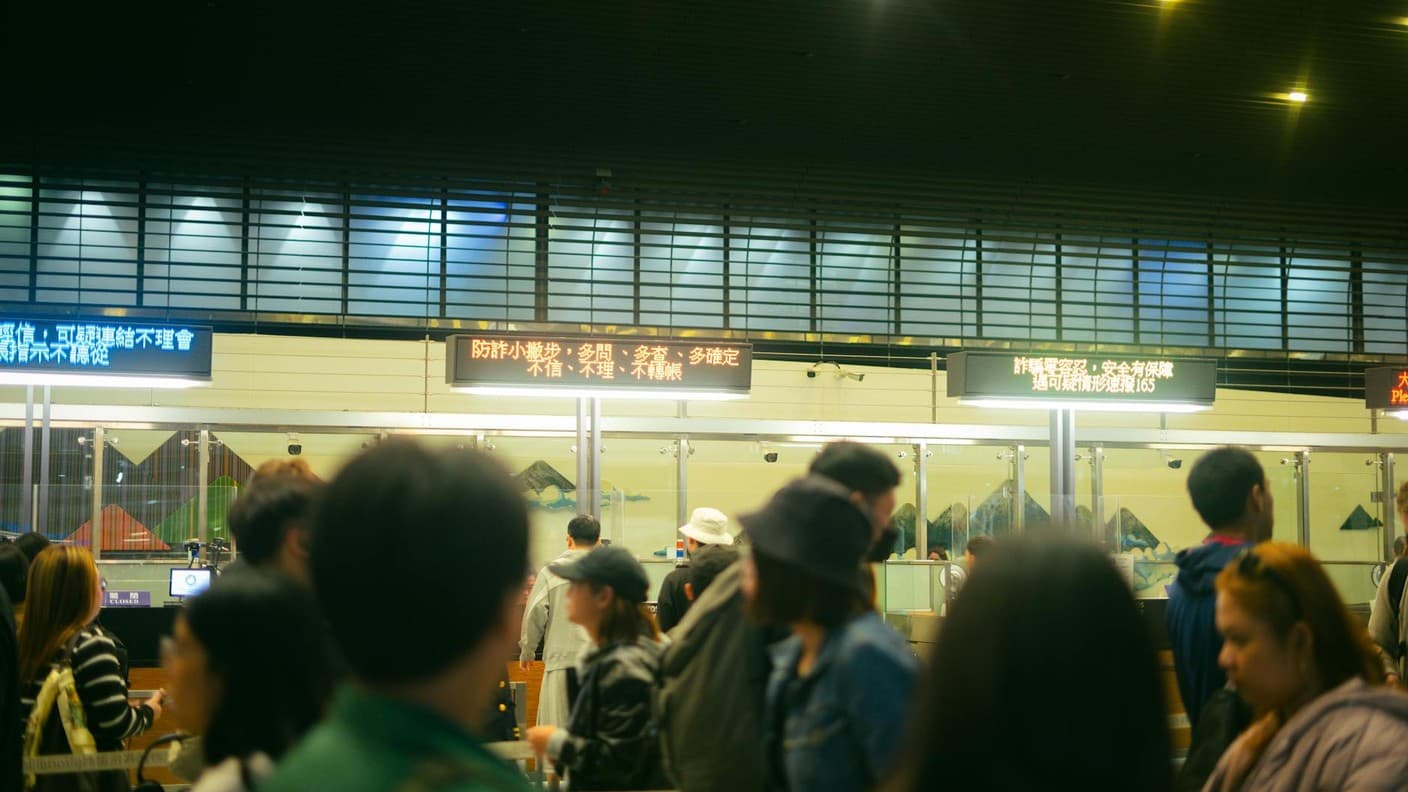
If a U.S. permanent resident stays abroad for an extended period of time, they may be considered to have abandoned their green card and may be denied entry or have their green card revoked. Korean American permanent residents who need to stay in South Korea for extended periods of time to care for family or for business must prepare their reentry permit and permanent residency strategy in advance.
Risk by length of stay abroad
| Length of stay | Risk | Action required |
|---|---|---|
| Less than 6 months | Low | No special action required |
| 6 months to 1 year | Medium | Prepare proof of U.S. residency |
| 1 year or more | High | Re-Entry Permit (I-131) Required |
| 2 years or more | Very high | Possible loss of permanent residency without a reentry permit |
Reentry Permit (I-131)
- Validity period: Up to 2 years
- When to apply Must apply before leaving the U.S. (cannot apply from abroad)
- Biometrics: Fingerprinting in the U.S. and leaving the country
- Cost: $630
- Limitations: Even if you have a reentry permit, you may be denied entry if you are recognized as having abandoned your permanent residence.
Proof to maintain permanent residency
When Customs and Border Protection (CBP) or an immigration judge determines your intent to remain in the U.S., they consider the following
- Filing taxes Continue to file U.S. taxes as a resident
- Bank accounts: Maintain an active bank account in the U.S.
- Real estate: Maintain a residence (owned or rented) in the U.S.
- Driver's license: Valid U.S. driver's license
- Family ties: Family relationships living in the U.S.
- Social activity: Church, community organization activities
Impact on citizenship applications
There is a “Continuous Residence” requirement when applying for citizenship (N-400):
- More than 6 months abroad: presumption of continuous residence is broken (rebuttable)
- Staying abroad for more than a year: Continued disruption of residency (reestablishing residency from the beginning)
- N-470 (Application for Preservation of Foreign Residency) for some exceptions
Common single-person situations
Staying in Korea to care for your parents
If you need to stay longer than six months to care for your parents in the U.S., apply for a re-entry permit before you leave, and maintain a U.S. address, tax return, and bank account.
Doing business in South Korea
To maintain permanent residency while operating a business in the United States, it is important to visit the United States regularly and maintain economic ties within the United States.
Frequently asked questions
Q. Can I stay out of the country as long as I have a re-entry permit?
No. A reentry permit is only a travel document used to enter the country in place of a permanent resident card and does not provide a defense against abandonment. If you don't come to the United States for two years, you may be subject to additional scrutiny upon entry.
Q. What if I lose my green card?
If you spent more than two years abroad and were denied reentry, you can apply for an SB-1 visa (returning permanent resident) at the U.S. Embassy. However, you will need to prove that your stay abroad was due to force majeure that was not of your choosing.
Permanent residency, once lost, hard to get back. If you plan to stay abroad for an extended period of time, consult with our office in advance.
Phone: (718) 353-2699 | Email: jd@choattorneys.com