
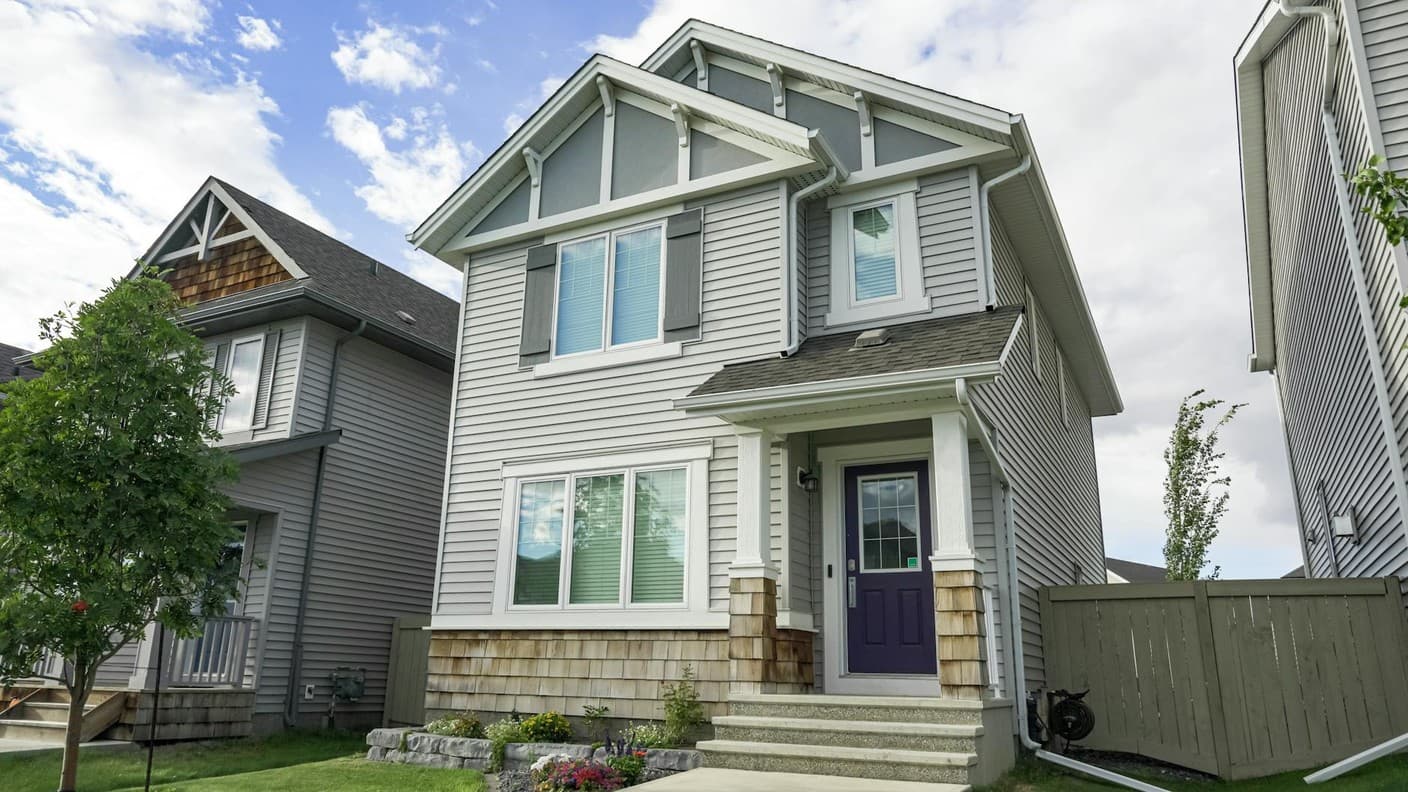
Many people think that filing for bankruptcy means losing their home, but New York's Homestead Exemption allows you to keep your home in the bankruptcy process. Your home protection strategy will depend on your exemption limits and the type of bankruptcy chapter you file.
What is the Homestead Exemption?
Under bankruptcy law, a certain amount of equity in a debtor's primary residence is protected from creditors. Equity is the market value of the home minus the mortgage balance.
New York State Homestead Exemption Limits
| Region | Exemption limits (2026) |
|---|---|
| New York City's 5 boroughs, Nassau, Suffolk, Rockland, Westchester, and Putnam | $204,825 |
| Dutchess, Albany, Columbia, Orange, Saratoga, Ulster | $170,700 |
| Other New York State Regions | $102,400 |
Married couples can each apply the exemption limit if they own jointly
Protecting your home in Chapter 7
- Equity ≤ Exemption Limit: Home is protected, cannot be sold by bankruptcy trustee
- Equity > Exemption Limits: Receiver can sell the home and distribute the excess to creditors
- Mortgage delinquency: Chapter 7 Doesn't Fix Mortgage Delinquencies - Foreclosure Risk Persists
Example equity calculation
You have a home in Queens with a market value of $800,000 and a mortgage balance of $650,000:
- Equity: $800,000 - $650,000 = $150,000
- New York City Exemption Limit: $204,825
- Result: Equity ($150,000) < Exemption Limit ($204,825) → Home protected
Protecting your home in Chapter 13
Chapter 13 is a more powerful tool for protecting your home:
- Eliminate mortgage delinquencies Pay off the past due amount in installments with a 3-5 year repayment plan
- Stop garnishments: Stopping foreclosure proceedings with an Automatic Stay upon filing
- Protect against excess equity: Keeping your home even if your equity exceeds the exemption limits with a repayment plan
Preparing to protect your home
- Accurate equity calculations: Obtain a recent appraisal or market analysis (CMA)
- Check exemption eligibility Must be your primary residence - investment property is not exempt
- Check your mortgage status Know how much you owe, what the interest rate is, and how long you have left to pay it off
- Select a bankruptcy type: Deciding between Chapter 7 or 13 based on equity, income, and delinquency
Frequently asked questions
Q. Does a condominium or co-op qualify for the Homestead Exemption?
Yes. Condominiums and co-op apartments also qualify for the homestead exemption if they are your primary residence. In the case of a co-op, the calculation is based on the equity in the shares and lease.
Q. If I am delinquent on my mortgage and I go bankrupt, will I have to move out of my house right away?
No. The automatic stay is triggered as soon as you file bankruptcy, stopping the bank's foreclosure proceedings. Filing Chapter 13 allows you to stay in your home while paying off the arrears over three to five years.
You can keep your home in bankruptcy. For home protection and bankruptcy counseling, contact the Law Offices of Jin D. Cho.
Phone: (718) 353-2699 | Email: jd@choattorneys.com