
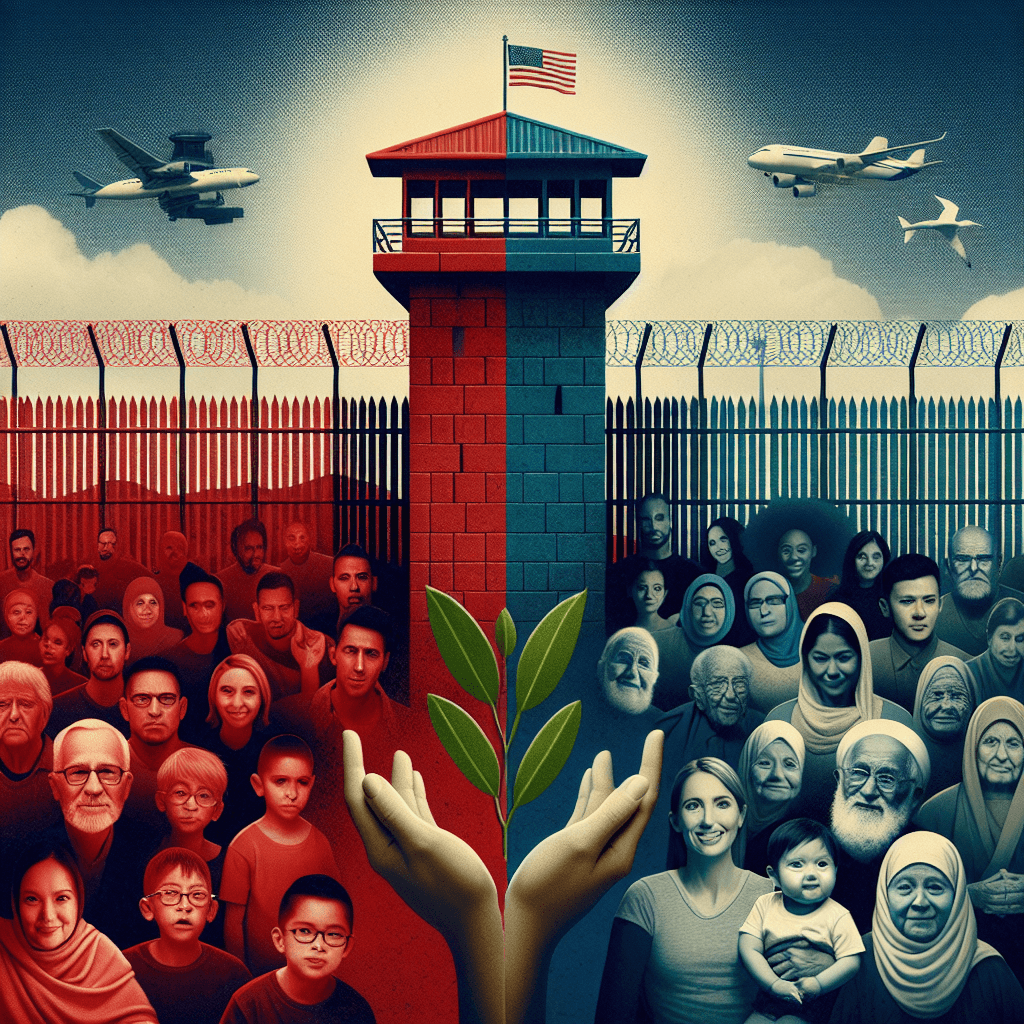
When it comes to immigration, one topic that often surfaces is the intersection of immigration policies and national security. The recent case of Mura Kurashev, a Russian national who illegally crossed the U.S.-Mexico border, adds complexity to the debate by highlighting issues with the vetting process and the potential for security threats.
Understanding the National Security Implications of Immigration Policies
Kurashev’s case began in 2018 when he entered the United States with his wife and children, exploiting what some have termed the "Flores Settlement loophole," which allowed families to claim asylum and be released quickly pending future court dates. Fast forward to 2024, and Kurashev was pleading guilty to charges of material support for terrorism. This raises critical questions: How was someone from a well-known region for extremist activities able to enter and remain in the U.S. undetected? And are existing border policies adequate to preemptively identify potential national security threats?
This is not just an isolated incident. It underscores the broader need for robust and effective immigration screening processes. At the border, Customs and Border Protection (CBP) agents are often stretched thin handling surges in migrants. In these high-pressure situations, each decision to detain or release an individual has significant implications—not just for immigration system integrity, but for national security.
Lessons from the Vetting Failures Database
The Center for Immigration Studies developed a National Security Vetting Failures database to document instances where lapses in the immigration system allowed potential security threats to enter or remain in the country. Kurashev’s inclusion in this database is a sobering reminder of how systemic failures can have serious consequences.
Reform advocates argue that swift changes are necessary. These could include better integration and sharing of intelligence across borders, real-time data analysis for risk assessment, and reinforcing the training of border personnel to recognize red flags. Meanwhile, critics caution against overhauls that undermine humanitarian protections or delay asylum processes for legitimate claimants.
The Balance Between Security and Compassion
The need for reform is clear, yet it's crucial to strike a balance that respects both security imperatives and the humanitarian ethos of the immigration system. The challenge lies in distinguishing between those seeking refuge from persecution and those who may pose a threat. Using technology such as biometrics and advanced data analytics can aid in this balancing act, enabling more precise vetting without compromising rights.
Additionally, strengthening partnerships with international allies can pave the way for more effective shared intelligence, improving the ability to track individuals who might attempt to abuse immigration channels for malicious ends.
Moving Forward
As immigration patterns evolve, with crises driving movements globally, the U.S. must continue adapting its policies to meet new challenges. Kurashev’s case serves as a stark example but also a call to action. The policy debate must focus on creating an immigration system that is as secure as it is compassionate, ensuring national safety while upholding the values that have long defined America as a land of opportunity
Policy reform, technological advancement, and international collaboration are key to reaching this equilibrium, safeguarding the nation without losing sight of its foundational promise to welcome those in need. As we reconsider the frameworks guiding our borders, let’s ensure they reflect both vigilance and humanity.